

sandblasted glass price
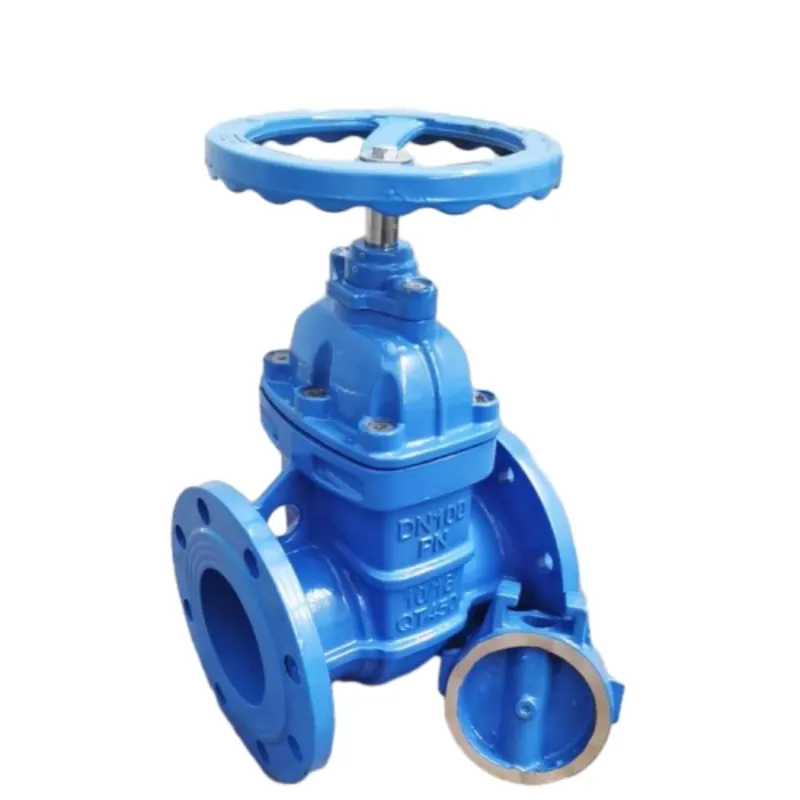
Understanding Gate Valves A Deep Dive into Design and Applications Gate valves play a crucial role in various industries, serving as vital components in pipelines and fluid systems. Their primary function is to start or stop the flow of fluids, making them essential for effective fluid control. In this article, we will explore the design, operation, and applications of gate valves, particularly focusing on the specifications akin to ‘gate valve 2 1 2’. What is a Gate Valve? A gate valve is a type of valve that opens by lifting a round or rectangular gate out of the path of the fluid. Unlike other types of valves that throttle flow, gate valves are primarily designed to be fully open or fully closed. The structure of a gate valve consists of the body, gate, stem, and actuator. The gate is the component that moves up and down to either allow or block the flow of fluid within the pipeline. Design Specifications When referring to a gate valve with specific dimensional notations like ‘2 1 2’, it indicates the valve's nominal size and possibly its pressure rating. A gate valve labeled ‘2 1 2’ typically means that it has a nominal diameter of 2 inches, indicating the size of the pipe it fits into. The ‘1’ may refer to a specific dimension or feature in relation to the design, such as the thickness of the body or the end types (flanged or threaded), while the last ‘2’ could denote specifications about pressure ratings or the type of materials used. Working Mechanism The operation of a gate valve is straightforward. When the handwheel or actuator is turned, the stem connected to the gate moves vertically. As the gate rises, the flow of fluid through the valve is allowed, and when it is lowered, the flow is stopped. This mechanism ensures minimal resistance when the gate valve is in the fully open position, which is beneficial for applications where maintaining flow rates is crucial. gate valve 2 1 2 The sealing surface of the gate valve is one of its most important features. Many gate valves are designed for tight shut-off, using materials such as elastomers or metallic surfaces that engage when the valve is closed, creating a strong seal to prevent leakage. Applications of Gate Valves Gate valves are commonly used in a variety of applications across different industries. They are prevalent in - Water Supply Systems To regulate the supply of water and to isolate sections of the pipeline for maintenance. - Oil and Gas Industries To control the flow of hydrocarbons in pipelines, ensuring safety and efficiency in transmission. - Power Plants Managing the flow of steam or water in boilers, cooling systems, and condensate lines. The preferences for gate valves over other valve types often stem from their ability to handle high-pressure situations and their ease of operation, making them suitable for large-scale industrial applications. Conclusion In summary, gate valves, such as those identified by specific dimensions and ratings like ‘gate valve 2 1 2’, are essential tools for fluid control in various sectors. Their simple yet effective design, coupled with their ability to provide a tight seal and allow high flow rates, make them invaluable. Understanding the specifications and applications of gate valves is crucial for anyone involved in the design, operation, or maintenance of fluid systems. By choosing the right gate valve for the right application, industries can ensure efficient and safety-compliant operations.
about
sandblasted glass price
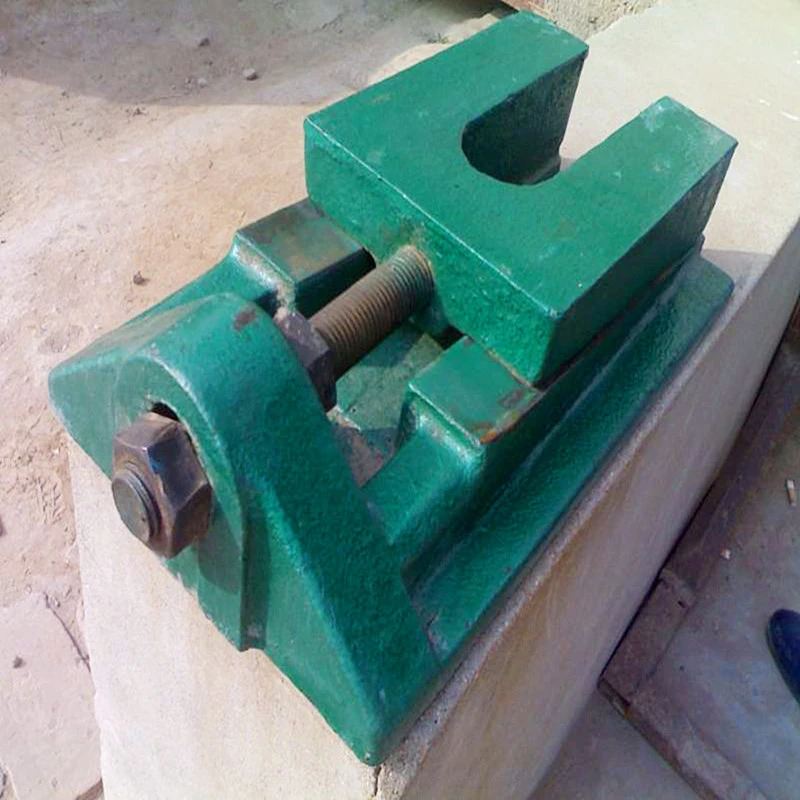
The Importance of Vibration Pads in Industrial Applications In today's fast-paced industrial landscape, the importance of vibration isolation cannot be overstated. With machinery and equipment running at high speeds, vibrations can lead to significant operational challenges, including reduced efficiency, premature wear and tear, and even catastrophic failures. This is where the role of vibration pads comes into play, making the work of vibration pad manufacturers crucial for various industries. Understanding Vibration Pads Vibration pads are designed to absorb and dampen vibrations generated by machinery. They act as a cushion, minimizing the transmission of vibrations to surrounding structures or equipment. These pads are typically made from materials such as rubber, neoprene, and silicone, which offer excellent elasticity and durability. Vibration pads are used in a variety of applications, from construction sites to manufacturing plants, and even in residential settings where HVAC systems or heavy appliances are installed. The primary purpose of these pads is to enhance comfort, safety, and the longevity of machinery by reducing the impact of vibrations. How Vibration Pads Work The mechanism behind vibration pads is relatively simple yet highly effective. When machinery operates, it inevitably creates vibrations that can travel through the floor or any mounting surface. When vibration pads are placed beneath the equipment, they absorb these vibrations, converting kinetic energy into minimal heat. This process significantly decreases the level of vibration that spreads, protecting both the machine and the surrounding environment. Different types of vibration pads are available, each engineered for specific loads and frequencies. For instance, softer pads may be used for lightweight machinery, while denser pads are suitable for heavy equipment that produces substantial vibrations. Manufacturers invest in research and development to create pads that can cater to a wide range of applications, ensuring optimal performance for their clients. Benefits of Using Vibration Pads vibration pad manufacturer 1. Enhanced Equipment Longevity By minimizing the vibrations that reach machinery, vibration pads help in significantly extending the lifespan of equipment. This means fewer repairs and replacements, ultimately saving costs in the long run. 2. Improved Performance Equipment running on vibration pads often operates more smoothly and efficiently. This improved performance can translate to better product quality and increased overall productivity in a manufacturing setting. 3. Worker Safety and Comfort Excessive vibrations can also affect workers' health. Vibration pads create a safer, more comfortable environment by reducing vibrations that can lead to physical ailments among workers, such as musculoskeletal disorders. 4. Reduced Noise Pollution Beyond vibration control, these pads can also help minimize noise generated by machinery, contributing to a quieter work environment. Choosing the Right Manufacturer Selecting the right manufacturer for vibration pads is crucial. Companies should look for manufacturers that offer high-quality materials and have a reputation for durability. Certifications and compliance with industry standards also play a significant role in ensuring the reliability of the pads. Finally, it is essential to consider custom solutions. Many manufacturers provide tailored solutions to meet specific operational needs. Consulting with experts who understand the complexities of vibration control can help businesses make informed decisions that result in superior machinery performance. Conclusion In summary, vibration pads play an indispensable role in the industrial sector, providing solutions to one of the most significant challenges faced by machinery and equipment operators. Whether used in factories, construction sites, or residential areas, their benefits affect not just equipment longevity and efficiency but also worker safety and comfort. As industries continue to evolve, the demand for high-quality vibration pads and reliable manufacturers will remain a vital aspect of operational success.
-

High quality industrial productsagement

High quality industrial products
View Details -

Meet the diverse needs of customers

Meet the diverse needs of customers
View Details -

Strict quality control

Strict quality control
View Details -

Top raw materials

Top raw materials
View Details -

Trusted supplier

Trusted supplier
View Details
Our application


news and information

Valvola di ritegno da 4 pollici
La valvola di ritegno da 3 4 pollici è un componente essenziale nei sistemi idraulici e pneumatici.
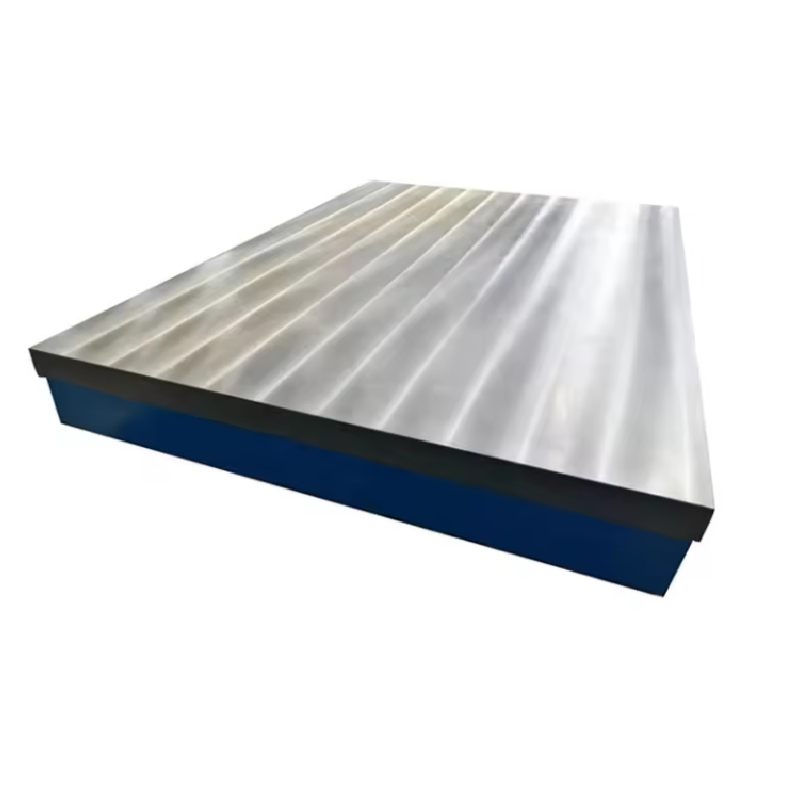
Using a Small Hole Gauge for Accurate Measurement in Precision Engineering Applications
The Importance of Small Hole Gauges in Precision Measurement In various industries, precision measur
Vanne à guillotine de 8 pouces pour applications industrielles et de plomberie
Vannes à Panneau Couteau de 8 Pouces Un Équipement Essentiel pour l'Industrie Les vannes à panneau
 English